Skip to content

The Ataxia Community Comes Together in Orlando April 9–11, 2026 for the Annual Ataxia Conference! LEARN MORE

SCA35

A collection of resources for individuals and families affected by Spinocerebellar Ataxia Type 35 (SCA35).

Spinocerebellar Ataxia type 35 (SCA35) is caused by a genetic mutation that is passed on from parents to their children. SCA35 leads to problems with balance and coordination, as well as hand tremors

For complete information about symptoms, diagnosis, and treatment of Ataxia, visit our What is Ataxia? page. This page contains NAF’s resources that are specific to SCA35. 

Sign up for our mailing list to stay up-to-date on Ataxia news.

Webinars

Presented by Luca Marsili, MD, PhD and Manuela Basso, PhD

This webinar gives an overview of the causes and symptoms of the disease, the typical diagnostic journey for those affected, what to expect for clinical care, and an overview of current research into the disease.

NAF offers webinars on many topics to help you live better with Ataxia. Visit www.ataxia.org/webinars to find other helpful presentations.

Participate in Research and Treatment Development

Participating in a research study or clinical trial is one way to take an active role in furthering understanding and treatment of Ataxia. It is also a way to get access to new treatment options before they are widely available. To find studies that are enrolling patients, visit our Help Develop New Treatments page.

SCA35 Information

Spinocerebellar Ataxia type 35 (SCA35) is a rare neurodegenerative disorder. It is caused by mutations in the TGM6 gene. SCA35 is very rare worldwide. The majority of SCA35 cases have been documented in people of Han Chinese ancestry. However, SCA35 has also been found in people of European and Hispanic ancestry. The estimated prevalence of SCA35 is less than 1 in 1,000,000 people, with fewer than 30 cases reported in the scientific literature.  

SCA35 Symptoms

Like many other forms of Ataxia, SCA35 is marked by poor balance and coordination. In fact, the word Ataxia means incoordination. There can also be problems coordinating muscles that control speech and swallowing. 

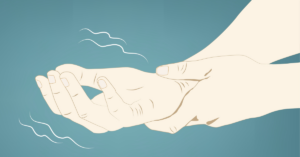
Many people with SCA35 have tremors in their hands. These are intention tremors, where shaking occurs while someone is trying to do a purposeful movement with the hand. The closer one gets to the intended target of a movement, the tremor becomes worse. For example, if someone with an intention tremor reaches for a cup, their hand will shake more as it gets closer to the cup.  

Less common symptoms of SCA35 include cognitive impairment and vision symptoms.  

SCA35 Prognosis

SCA35 symptoms usually begin between the ages of 13 and 50. The severity of symptoms also varies considerably between people, even within families. SCA35 usually progresses slowly. People with SCA35 may need to use a wheelchair after 10-15 years of experiencing symptoms. Lifespan generally is not shortened by the disease.  

Treatments such as physiotherapy, occupational therapy, and speech-language therapy can significantly improve the lives of people with SCA35. Some medications, such as Levodopa, may be helpful for symptom management. Due to the connection between SCA35 and Gluten Ataxia, some clinicians may suggest that people with SCA35 try a strict gluten-free diet as part of symptom management. There is mixed evidence to support the effectiveness of a gluten-free diet on SCA35 symptoms, mainly due to the small number of patients available to test its usefulness.  

SCA35 Genetics

SCA35 is an inherited genetic disorder. It is caused by an abnormality of a single gene called the TGM6 gene. The abnormality can be passed from generation to generation by family members who carry it. Males and females are equally likely to inherit the genes that cause SCA35. 

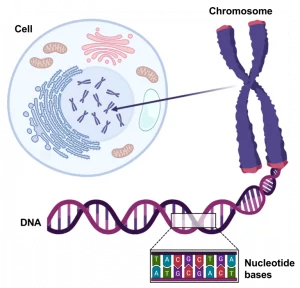
Genetic diseases like SCA35 occur when one of the body’s 20,000 genes does not work properly. Genes are microscopic structures within the cells of our bodies that contain instructions for every SCA35 a person inherits from his or her parents.  Two copies of each gene are inherited; one copy from the mother and one from the father. SCA35 is an autosomal dominant disease, meaning that someone will develop symptoms if they inherit at least one mutated copy of the TGM6 gene. Each child of someone with SCA35 has a 50% chance of inheriting the gene that causes SCA35.  

Different types of mutations in the TGM6 gene can cause SCA35. Most of these are point mutations, where a single amino acid of someone’s DNA is changed. Short deletion mutations, where a few amino acids have accidentally been deleted from someone’s DNA, have also been found to cause SCA35. While these mutations differ from each other in how they look, they all lead to problems in the TGM6 gene and Transglutaminase 6 protein.  

Gene tests can be performed for diagnostic purposes to determine what kind of Ataxia is within a person or family. Genetic testing can also be done, in some circumstances, even before there are symptoms, to determine whether a person carries the abnormal gene or genes that cause Ataxia. This is called predictive or presymptomatic testing. A gene test can also be used to determine whether a fetus has an abnormal Ataxia gene. This is called prenatal testing. Anyone who is considering a predictive or prenatal test should consult with a genetic counselor to discuss the reasons for the test, the possible outcomes, and how those outcomes might affect the person emotionally, medically, or socially. 

SCA35 Diagnosis

A neurologic examination can determine whether a person has symptoms typical of SCA35A neurologist is often the most helpful specialist in recognizing symptoms and diagnosing the disease that causes Ataxia. There are several potential follow-up tests. MRI brain imaging is often used to confirm cerebellar atrophy or degeneration. Clinical exams are performed to measure various movement, behavioral, and speech-related symptoms. However, a specific diagnosis of SCA35 ataxia can only be made by a genetic test. This is usually accomplished through Whole Exome Sequencing (WES) or Whole Genome Sequencing (WGS). WES and WGS test results are complex. They often need to be evaluated by an expert in genetics, such as a Genetic Counselor or Medical Geneticist.  

SCA35 Research News

SCAsource provides Ataxia research news, directly from researchers to the Ataxia community. Visit SCAsource to see their full collection. Here is a collection of articles about Ataxia Type Here. 

Snapshot: What is Tremor?

If you’ve ever felt shaky when speaking in public or after drinking too much coffee, then you’ve likely experienced tremor. Tremor is an involuntary, rhythmic shaking of parts of the Read More…

Snapshot: What is prosody?

Speech not only consists of the words we say, but how we say them. That “how” is what is called prosody: the pitch, loudness, and timing of speech. The term Read More…
Snapshot: What is a Gene?

A gene is the basic physical unitof heredity. Every living cell contains genetic information that determines an organism’s development, form, and function. This genetic information is encoded by two macromolecules: Read More…

Print Friendly, PDF & Email
Translate »

Join the Ataxia community today!

Become a free member for exclusive content from NAF.