Skip to content

The Ataxia Community Comes Together in Orlando April 9–11, 2026 for the Annual Ataxia Conference! LEARN MORE

SCAR20

A collection of resources for individuals and families affected by Autosomal Recessive Spinocerebellar Ataxia 20 (SCAR20).

Autosomal Recessive Spinocerebellar Ataxia 20 (SCAR20) is caused by a genetic mutation that is passed on from parents to their children. SCAR20 leads to problems with balance and coordination, coarse facial features, and language delays.

For complete information about symptoms, diagnosis, and treatment of Ataxia, visit our What is Ataxia? page. This page contains NAF’s resources that are specific to SCAR20.

Sign up for our mailing list to stay up-to-date on Ataxia news.

Webinars

All About SCAR20

Presented by Mike Henne, PhD and Naiara Akizu, PhD

Autosomal Recessive Spinocerebellar Ataxia Type 20 or SCAR20* is a rare neurodegenerative disease. This webinar gave an overview of the causes and symptoms of the disease, the typical diagnostic journey for those affected, what to expect for clinical care, and an overview of current research into the disease.

*This webinar is about Autosomal Recessive Spinocerebellar Ataxia type 20, not Spinocerebellar Ataxia type 20 (SCA20).

Participate in Research and Treatment Development

Participating in a research study or clinical trial is one way to take an active role in furthering understanding and treatment of Ataxia. It is also a way to get access to new treatment options before they are widely available. To find studies that are enrolling patients, visit our Help Develop New Treatments page.

SCAR20 Information

Autosomal Recessive Spinocerebellar Ataxia 20 (SCAR20) is a rare neurological disorder that causes people to lose their sense of balance and coordination. It is caused by mutations in the SNX14 gene. Symptoms begin in infancy or early childhood, which makes SCAR20 a neurodevelopmental disorderSCAR20 is an ultra-rare form of ataxia, with an estimated prevalence of less than 1 in 1,000,000 peopleMost cases of SCAR20 have occurred in children who have consanguineous parents.  

SCAR20 Symptoms

Like many other forms of Ataxia, SCAR20 is marked by poor balance and coordination. In fact, the word Ataxia means incoordination. People with SCAR20 can also have problems coordinating muscles that control speech and swallowing. 

Most people with SCAR20 also have coarse facial features, which means they have rounded or heavy facial features with less definition of the eyebrows, nose, mouth, or chin. Intellectual disability is common, with many people with SCAR20 having poor or absent speech. Having a global developmental delay or Autism-like symptoms is also common amongst people with SCAR20. People with SCAR20 may also have misshapen joints or bones.  

Less common symptoms of SCAR20 include heart problems, kidney problems, and an enlarged liver.  

SCAR20 Prognosis

SCAR20 symptoms usually begin in infancy or early childhood. Most cases are diagnosed around age 2. This condition is progressive, meaning that symptoms will continue to worsen over time. People with SCAR20 will eventually need to use a wheelchair. Lifespan is usually significantly reduced. Treatments such as physiotherapy, occupational therapy, and speech-language therapy can also significantly improve the lives of people with SCAR20. 

SCAR20 Genetics

SCAR20 is an inherited genetic disorder. It is caused by an abnormality of a single gene called the SNX14 gene. The abnormality can be passed from generation to generation by family members who carry it. Males and females are equally likely to inherit the genes that cause SCAR20.  

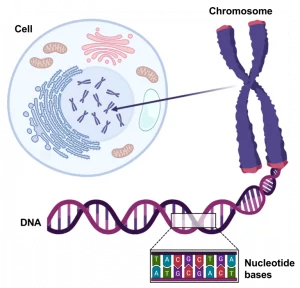
Inherited diseases like SCAR20 occur when one pair of the body’s 20,000 genes does not work properly. Genes are microscopic structures within the cells of our bodies that contain instructions for every feature we inherit from our parents. Two copies of each gene are inherited; one copy from the mother and one from the father. SCAR20 is autosomal recessive, which means that an individual only develops symptoms of the disease if both copies of his/her SNX14 gene are not working properly. 

An individual who has one copy of an altered or nonfunctioning SNX14 gene does not develop any neurological symptoms and is called a carrier. For people who are carriers, the normal SNX14 gene compensates for the nonfunctioning copy of the gene. However, a child whose parents are both carriers can inherit a “double dose” of the altered SNX14 gene and will therefore develop SCAR20.  

Most of the time, carriers have no idea that they have an abnormal SNX14 gene because they do not have symptoms or medical problems that go along with being a carrier. It is often only when a child is diagnosed with SCAR20 that the parents learn that they are both carriers. When both parents are carriers, each of their children has a 25 percent chance of having SCAR20 and a 50 percent chance of being a carrier. 

Gene tests can be performed for diagnostic purposes to determine what kind of Ataxia is within a person or family. Genetic testing can also be done, in some circumstances, even before there are symptoms, to determine whether a person carries the abnormal gene or genes that cause Ataxia. This is called predictive or presymptomatic testing. A gene test can also be used to determine whether a fetus has an abnormal Ataxia gene. This is called prenatal testing. Anyone who is considering a predictive or prenatal test should consult with a genetic counselor to discuss the reasons for the test, the possible outcomes, and how those outcomes might affect the person emotionally, medically, or socially. 

SCAR20 Diagnosis

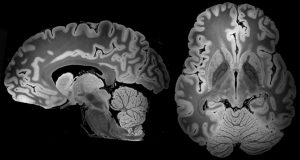
A neurologic examination can determine whether a person has symptoms typical of SCAR20A neurologist is often the most helpful specialist in recognizing symptoms and diagnosing the disease that causes Ataxia. There are several potential follow-up tests. MRI brain imaging is often used to confirm cerebellar atrophy or degenerationClinical exams are performed to measure various movement, behavioral, and speech-related symptoms. However, a specific diagnosis of SCAR20 can only be made by a genetic test.  .

SCAR20 Research News

SCAsource provides Ataxia research news, directly from researchers to the Ataxia community. Visit SCAsource to see their full collection. Here is a collection of articles about SCAR20. 

Snapshot: What is prosody?

Speech not only consists of the words we say, but how we say them. That “how” is what is called prosody: the pitch, loudness, and timing of speech. The term Read More…
Snapshot: What is a Gene?

A gene is the basic physical unitof heredity. Every living cell contains genetic information that determines an organism’s development, form, and function. This genetic information is encoded by two macromolecules: Read More…
Print Friendly, PDF & Email
Translate »

Join the Ataxia community today!

Become a free member for exclusive content from NAF.