The genetic cause of spinocerebellar ataxia type 3 (SCA3) was discovered over three decades ago. Since then, scientists have made great strides in understanding SCA3, but many questions still remain about exactly how mutant (SCA3 causing) ataxin-3 protein causes brain cell death. Recently, scientists have uncovered new ways that chemical tags added to mutant ataxin-3 can influence its toxicity. These findings mark a new step in our understanding of the SCA3 disease.
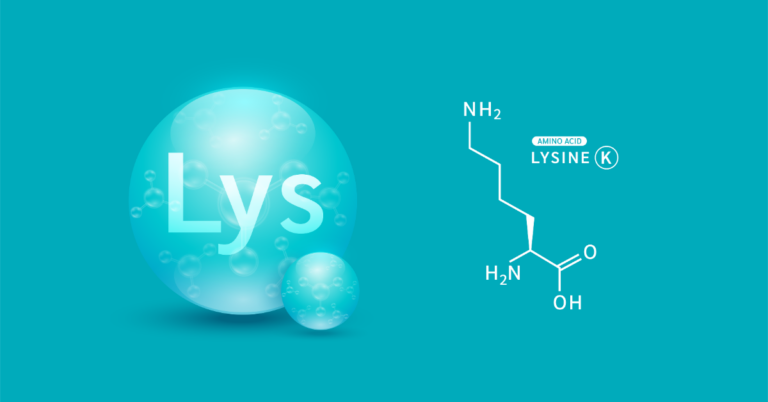
Proteins serve as vital molecular workhorses, maintaining the survival and proper function of our cells. Amongst their many important jobs, proteins recycle waste, transport molecules like oxygen around the body, and respond to attacks by viruses and bacteria. Proteins are made up of amino acids (building blocks), joining together like beads threaded on a string. There are twenty different amino acids, and they can be arranged in countless ways to create the hundreds of thousands of proteins found in our body. One of these proteins is named lysine, also referred to as “K”. The number following “K”, like “K8” or “K85”, tells us where that lysine is in the protein. Imagine it like saying “house number 8 on Protein Street!”.
Once a protein is made, special chemical tags, like a label, called “post-translational modifications” can be attached to the protein. These tags help the proteins know what to do, where to go, or how to work properly once they are made. These chemical tags are usually added to the protein at the amino acid lysine. Scientists previously found that these tags are added to different amino acids in mutant ataxin-3 compared to normal ataxin-3. This makes mutant ataxin-3 more toxic to brain cells. However, the ataxin-3 protein is made up of many lysine molecules. The question of how adding chemical tags at each one of the lysine molecules in ataxin-3 influences its behavior in cells and contributes to disease is still not clear. In this paper, scientists sought to answer this question.
To find out how certain lysine molecules affect the behavior of the ataxin-3 protein and its role in SCA3 disease, scientists designed special DNA blueprints. These blueprints are like recipes that tell cells how to make different versions of the ataxin-3 protein.
They created blueprints for:
- Normal ataxin-3 and mutant ataxin-3 (the kind that causes SCA3)
- Versions of both proteins with all lysines removed, so no chemical tags can be attached
- Mutant ataxin-3 protein with one lysine added back in at a time
Using these blueprints, scientists made different ataxin-3 proteins inside cells to see how the lysines change the behavior of ataxin-3. They focused on four main questions:
- How much does ataxin-3 protein build up in cells?
- How many toxic clumps does mutant ataxin-3 form?
- Where in the cell does ataxin-3 go?
- How long does ataxin-3 last before it is recycled?
Chemical tags that attach to lysines often help mark proteins for recycling, which affects how much of the protein stays inside cells. They discovered that cells had more of the mutant ataxin-3 protein than the normal one. When they removed all lysines, both normal and mutant proteins were found in smaller amounts. But when they added back specific lysines (like K8, K85, K117 or K166), the amount of protein went back to normal. Interestingly, adding back K200 did the opposite. It made the amount of protein even lower.
The mutant ataxin-3 protein is bad for brain cells, because it sticks together and forms clumps inside them. These clumps make the brain cells sick and die. The scientists wanted to know how certain lysine molecules in ataxin-3 affect this clumping. They found that the mutant ataxin-3 made more clumps than the normal one. When they removed all the lysines, the protein made less clumps. But when they added back specific lysines, like K8, K85, K117 or K166, the clumping came back again. This means that the lysine molecules in mutant ataxin-3 influence how much of the protein is found in cells, and how many toxic clumps it makes.
Inside our cells, there are two main systems that act like recycling centers for old or damaged proteins. These are called autophagy and the ubiquitin-proteasome system. Scientists wanted to understand how lysine molecules in ataxin-3 impact the recycling of ataxin-3 by these two systems. To test this, scientists treated cells with chemicals that could block either autophagy or the proteasome system, and then measured how much ataxin-3 built up inside the cells. The results were surprising. All forms of mutant ataxin-3 protein, no matter how many lysines they had, were recycled by both systems.
Next, they looked at how long the protein stays in the cells before being recycled. They found that ataxin-3 was more stable (it lasted longer) when it had certain lysine molecules, especially K8 or K85, compared to when all lysines were removed. This means that lysine K8 and K85 help control how much ataxin-3 protein is present in cells, and when it gets recycled.
The scientists also looked at cell health. Cells with mutant ataxin-3 that had no lysine molecules die more, while cells with K8 or K85 added back in survived better. In short, lysines, especially K8 and K85, seem to protect cells by helping manage how much mutant ataxin-3 is recycled and preventing toxic buildup.
Scientists next studied how the lysine molecules in ataxin-3 influence where in the cell the protein is found. Ataxin-3 is normally found in the cytoplasm – the jelly-like substance that makes up most of the cell – but in SCA3, mutant ataxin-3 migrates into the nucleus (control center) of brain cells and forms toxic clumps. Scientists found that if they removed the lysine molecules from normal or mutant ataxin-3, ataxin-3 travelled into the nucleus. However, adding back in lysine K85 made mutant ataxin-3 go back into the cytoplasm. So, beyond changing how much ataxin-3 builds up or how likely it is to form harmful clumps, lysines also act like tiny GPS markers, helping the protein find its proper place inside the cell.
In summary, scientists discovered that certain lysine molecules in mutant ataxin-3 protein (which causes SCA3) play key roles in how this protein behaves. They found that two lysines, K8 and K85, help control how much mutant ataxin-3 builds up inside cells and how many toxic clumps it forms in brain cells. These lysines also help cells survive longer, and K85 helps keep the protein in the cytoplasm, the part of the cell where it normally carries out its functions. Overall, this research helps scientists better understand why mutant ataxin-3 becomes harmful and how its changes may lead to brain cell death in SCA3.