
Skip to content

Join our free Let’s Move Exercise Program! Accessible, expert-led virtual sessions to help you build strength and improve balance from home. REGISTER

Spastic Paraplegia Type 4 (SPG4)

A collection of resources for individuals and families affected by Spastic paraplegia type 4 (SPG4).

Spastic paraplegia type 4 (SPG4is caused by a genetic mutation that is passed on from parents to their children. It is also sometimes called hereditary spastic paraplegia type 4 (HSPG4). SPG4 causes progressive muscle stiffness (spasticity) and muscle weakness in the legs, resulting in difficulty with walking. In complex cases, people with SPG4 may also develop ataxia symptoms, including impaired balance and coordination.  

For complete information about symptoms, diagnosis, and treatment of Ataxia, visit our What is Ataxia? page. This page contains NAF’s resources that are specific to SCA3/MJD. 

Sign up for our mailing list to stay up-to-date on Ataxia news.

Webinars

All About Spastic Paraplegia Type 4 (SPG4)

Presented by Dr. Gerald Pfeffe

This webinar covers the causes and symptoms of SPG4, the typical diagnostic journey for those affected, and what to expect for clinical care, and an overview of current research into the disease.

NAF offers webinars on many topics to help you live better with Ataxia. Visit www.ataxia.org/webinars to find other helpful presentations.

Participate in Research and Treatment Development

Participating in a research study or clinical trial is one way to take an active role in furthering understanding and treatment of Ataxia. It is also a way to get access to new treatment options before they are widely available. To find studies that are enrolling patients, visit our Help Develop New Treatments page.

SPG4 Information

Spastic paraplegia type 4 (SPG4) is a rare neurodegenerative disorder. It is caused by mutations in the SPASTgene. SPG4 is the most common type of hereditary spastic paraplegia. It is estimated that, if you count all forms of hereditary spastic paraplegia, the combined prevalence is around 2 to 6 in 100,000 people worldwideBetween 40-50% of these cases would be SPG4.  

SPG4 Symptoms

There are two forms of SPG4: pure and complex. Patients with the pure form of SPG4 experience spasticity and muscle weakness as their primary symptoms. This leads to abnormal gait and walking. People with pure SPG4 also tend to have exaggerated reflexes. Other non-motor symptoms for pure SPG4 patients may include bladder disturbance, defecation disturbance, pain, fatigue, impairment in the arms or hands, and depression. Most cases of SPG4 are considered pure spastic paraplegia. 

Complex cases of SPG4 are rare. People with complex SPG4 symptoms may also develop ataxia symptoms. This includes poor balance and coordination. People may also have difficult or unclear speech.  

SPG4 Prognosis

SPG4 symptoms usually begin in young adulthood. However, symptoms can begin at any time between childhood and late adulthood. While the average age at onset of symptoms is 30 years old, cases have been documented in infants up to age 76. The severity of SPG4 symptoms is highly variable. Symptoms vary between patients, even within families. People who have a later onset of symptoms (after age 35) tend to have faster symptom progression. 

SPG4 is a progressive disorder. About half of people with SPG4 will eventually need some assistance walking, such as the use of a cane, walker, or rollator. About 10% of people with SPG4 will eventually need to use a wheelchair full-time. Treatments such as physiotherapy and occupational therapy can significantly improve the lives of people with SPG4. Spasticity can be treated through the use of medication such as Baclofen or Tizanidine, or through Botulinum neurotoxin injections. Medication can also be used to manage symptoms related to urinary difficulties, depression, anxiety, or pain management. 

SPG4 Genetics

SPG4 is an inherited genetic disorder. It is caused by an abnormality of a single gene called the SPAST gene. The abnormality can be passed from generation to generation by family members who carry it. Males and females are equally likely to inherit the genes that cause SPG4. 

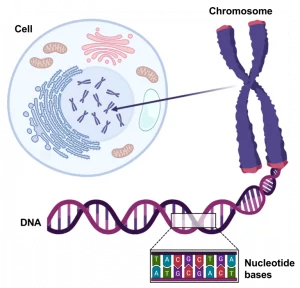
Genetic diseases like SPG4 occur when one of the body’s 20,000 genes does not work properly. Genes are microscopic structures within the cells of our bodies that contain instructions for every feature a person inherits from his or her parents. Two copies of each gene are inherited; one copy from the mother and one from the father.  

SPG4 is an autosomal dominant disease, meaning that someone will develop symptoms if they inherit at least one mutated copy of the SPAST gene. Each child of someone with SPG4 has a 50% chance of inheriting the gene that causes SPG4. Approximately 80% of SPG4 cases are inherited from a parent. The remaining are caused by de novo mutations that spontaneously develop in a person’s DNA when it is being made.  

Different types of mutations in the SPAST gene can cause SPG4. Most of these are missense mutations, where a single amino acid of someone’s DNA is changed. This changes the function and shape of the SPAST protein. Truncating mutations, which shorten the length of the SPAST protein, can also cause SPG4. While these mutations differ from each other in how they look, they all lead to problems in the SPAST gene and SPAST protein, which results in SPG4.  

Gene tests can be performed for diagnostic purposes to determine what kind of Ataxia is within a person or family. Genetic testing can also be done, in some circumstances, even before there are symptoms, to determine whether a person carries the abnormal gene or genes that cause Ataxia. This is called predictive or presymptomatic testing. A gene test can also be used to determine whether a fetus has an abnormal Ataxia gene. This is called prenatal testing. Anyone who is considering a predictive or prenatal test should consult with a genetic counselor to discuss the reasons for the test, the possible outcomes, and how those outcomes might affect the person emotionally, medically, or socially. 

SPG4 Diagnosis

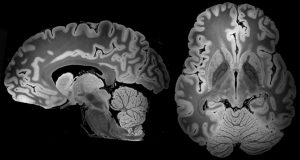
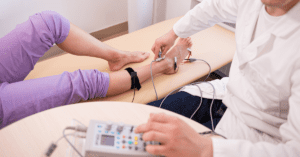
 A neurologist is often the most helpful specialist in recognizing symptoms and diagnosing spasticity, paraplegia, and ataxia. A neurologic examination can determine whether a person has symptoms typical of SPG4. Providing a detailed family history of medical conditions is also crucial. There are several potential follow-up tests. MRI brain imaging may be used to confirm cerebellar atrophy. Electromyography (EMG) may be used to test nerve conditions in the limbs. 

A definitive diagnosis of SPG4 is established following genetic testing. This confirms that someone has a mutation that causes SPG4 in their SPAST gene. 

paragraph here.

Ataxia Type Research News

SCAsource provides Ataxia research news, directly from researchers to the Ataxia community. Visit SCAsource to see their full collection. Here is a collection of articles about Ataxia Type Here. 

Snapshot: What is Spasticity?

Spasticity is a condition where muscles involuntarily stiffen, impeding normal smooth movements. Spasticity can present in varying severities with varying impacts on daily life. For example, minor spasticity resulting in Read More…

Snapshot: What is a Gene?

A gene is the basic physical unitof heredity. Every living cell contains genetic information that determines an organism’s development, form, and function. This genetic information is encoded by two macromolecules: Read More…

Print Friendly, PDF & Email
Translate »

Join the Ataxia community today!

Become a free member for exclusive content from NAF.