
Snapshot: What is Neuropathy?
Our nervous system consists of the central and the peripheral nervous system. The brain and spinal cord are components of our central nervous system (CNS), while the peripheral nervous system Read More…

Join our free Let’s Move Exercise Program! Accessible, expert-led virtual sessions to help you build strength and improve balance from home. REGISTER
A collection of resources for individuals and families affected by Ataxia with Vitamin B12 Deficiency.
Long-term vitamin B12 deficiency can cause difficulties with balance, coordination, and speech. This condition is called ataxia. Ataxia with Vitamin B12 Deficiency is an acquired form of Ataxia, meaning that the ataxia symptoms are the result of an injury or illness.
For complete information about symptoms, diagnosis, and treatment of Ataxia, visit our What is Ataxia? page. This page contains NAF’s resources that are specific to SCA3/MJD.
Sign up for our mailing list to stay up-to-date on Ataxia news.
Presented by Name Here, MD
This webinar covers the causes and symptoms of Ataxia with Vitamin B12 Deficiency, the typical diagnostic journey for those affected, and what to expect for clinical care, and an overview of current research into the disease.
NAF offers webinars on many topics to help you live better with Ataxia. Visit www.ataxia.org/webinars to find other helpful presentations.
Participating in a research study or clinical trial is one way to take an active role in furthering understanding and treatment of Ataxia. It is also a way to get access to new treatment options before they are widely available. To find studies that are enrolling patients, visit our Help Develop New Treatments page.
Vitamin B12 deficiency happens when someone does not consume enough vitamin B12 in their diet, or their body isn’t absorbing it properly. Vitamin B12 deficiency can cause physical, neurological, and psychological symptoms. Some people with vitamin B12 deficiency develop ataxia. Vitamin B12 deficiency is a treatable condition.
It is estimated that between 2-3% of adults in the United States have a vitamin B12 deficiency. Some people can be at a higher risk of developing a vitamin B12 deficiency. Risk factors include being over 75 years old, following a vegan or vegan diet, taking certain medications such as metformin, having digestive system disorders, having Sjögren’s syndrome, or consuming excessive amounts of alcohol.
Most causes of Ataxia with Vitamin B12 Deficiency are acquired. This means that the ataxia symptoms are the result of an injury or illness. However, rare forms of Ataxia with Vitamin B12 Deficiency are caused by mutations in the MTFHR gene or TCN2 gene.
Ataxia with Vitamin B12 Deficiency causes poor balance and coordination. In fact, the word Ataxia means incoordination. There can also be problems coordinating muscles that control speech and swallowing. Other common symptoms include numbness or tingling in the hands or feet, vision problems, fatigue, pale or jaundiced skin, memory problems, and mood changes. These symptoms usually develop slowly over time.
If left untreated, Vitamin B12 Deficiency can cause long-term complications. This can include neuropathy, paralysis, incontinence, erectile dysfunction, paranoia, delusions, or memory loss.
Ataxia with Vitamin B12 Deficiency is treatable with vitamin B12 supplements. Options for vitamin B12 treatment include oral medications, injections, or a nasal spray. Depending on the severity of symptoms, a doctor may prescribe cyanocobalamin or hydroxocobalamin, which are manufactured forms of vitamin B12. Patients may also be recommended to eat more foods that are rich in B12, such as meat, fish, eggs, or dairy products. Vitamin B12 is only naturally found in animal products. However, vegan and vegetarian foods that are supplemented with vitamin B12 can be an alternative.
The underlying cause of the Vitamin B12 Deficiency determines the length of treatment. Some people may only need treatment until their vitamin B12 levels are back to normal. Others may need vitamin B12 therapy for the rest of their life.
The underlying cause of Vitamin B12 Deficiency and the amount of time the patient was untreated can impact the effectiveness of treatment. Most people with Ataxia with Vitamin B12 Deficiency see improvement in symptoms. However, if significant damage occurred to the body before treatment, people with Ataxia with Vitamin B12 Deficiency may experience some long-term symptoms.
People with Ataxia with Vitamin B12 Deficiency may benefit from exercise, physical therapy, and occupational therapy. Consulting a Dietitian can be helpful for dietary recommendations.
A neurologic examination can determine whether a person has symptoms typical of Ataxia with Vitamin B12 Deficiency. A neurologist is often the most helpful specialist in recognizing symptoms and diagnosing the disease that causes Ataxia. Doctors will order blood tests to determine whether someone has a vitamin B12 deficiency. These tests may include a vitamin B12 level test, complete blood count (CBC), methylmalonic acid (MMA) test, or Homocysteine test. Another potential follow-up test is an MRI of the brain or spine.
SCAsource provides Ataxia research news, directly from researchers to the Ataxia community. Visit SCAsource to see their full collection. Here is a collection of articles about Ataxia Type Here.

Our nervous system consists of the central and the peripheral nervous system. The brain and spinal cord are components of our central nervous system (CNS), while the peripheral nervous system Read More…


Nystagmus, also known as ocular ataxia, is a term that refers to uncontrollable eye movement- usually a repetitive cycle of slow movement in a specific direction followed by a quick Read More…

The Life Cycle of a Protein No protein is made to last forever. Just as DNA and RNA direct a coordinated process for protein creation, there is also a process Read More…
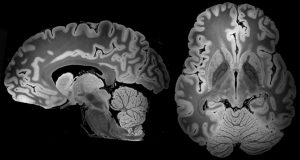
What is it? Magnetic resonance imaging (MRI) is a type of technology used to take detailed pictures of the body. It is commonly used to detect abnormalities in the body, Read More…

Coordination of smooth and effective movements is essential in daily tasks, such as speaking or walking. The ability to successfully orchestrate these movements is commonly referred to as “motor coordination”. Read More…
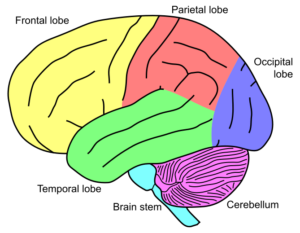
The cerebellum, often referred to as the “little brain”, is part of the brain that is located behind the cerebrum (forebrain). The cerebellum accounts for about 10% of the brain’s Read More…