Is there a world where an SCA6 diagnosis does not equate to a life sentence of motor incoordination? A study by Cook and colleagues investigated a signaling dysfunction of the Brain Derived Neurotrophic Factor (BDNF) and its receptor, the tropomyosin receptor kinase B (TrkB) in SCA6, and suggested exercise and a pharmacological compound as potential remedies. Both treatments were able to slow SCA6 disease progression, ameliorate ataxia symptoms and treat cellular deficits. These findings from Cook and colleagues open doors to new therapeutic strategies and offer hope of a better prognosis for SCA6 patients.
The cerebellum, a brain structure essential for coordinating movements, is vulnerable to damage in some genetic diseases. Spinocerebellar Ataxia Type 6 (SCA6) is a rare inherited neurodegenerative disease, and results in progressive motor dysfunction and cerebellar nerve cell degeneration
Initial symptoms of SCA6 include gait unsteadiness, stumbling and imbalance. They usually appear around middle age, when patients commonly get their diagnosis. SCA6 mainly impacts the health of cerebellar Purkinje cells, an important cell type for the smooth and accurate coordination of body movements. Aside from physical therapy, there is to date no treatment for SCA6. Thus, investigation of novel therapeutic strategies is of vital importance. If we could find a way to reduce motor symptoms and slow the onset and progression of the disease, we could improve the lives of patients, family members and caretakers.
Brain-derived neurotrophic factor (BDNF) is a very important protein for the health of the central nervous system. The BDNF protein is able to do its function in the brain by interacting with a receptor protein called Tropomyosin receptor kinase B (TrkB). Cook and colleagues found that, when SCA6 starts to manifest symptoms, both the BDNF and TrkB proteins are reduced in SCA6, which could play a part in the disease. They also found that exercise increases BDNF levels, improves Purkinje cell health, and ameliorates motor coordination in SCA6.
The pharmacological compound 7,8-dihydroxyflavone (DHF) mimics the action of BDNF by interacting with the TrkB receptor, therefore acting as a TrkB agonist. DHF is shown to have a great therapeutic efficacy in models of many diseases of the central nervous system. When investigating the therapeutic potential of DHF in SCA6, Cook and colleagues found that its early administration helped to alleviate motor incoordination and increased the health of Purkinje cells. These benefits were present both when SCA6 started manifesting and at later stages of the disease.
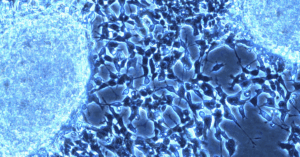
To be able to do this study, the researchers used transgenic mice that have a similar genetic mutation to SCA6 patients. To measure protein levels, they collected the mice cerebellum at 7 months, which corresponds to early SCA6 onset in humans. They then exposed the cerebellar tissue to fluorescent tags for different proteins of interest. By measuring the amount of fluorescence coming from the brain tissue, they could compare wild-type (without the SCA6 genetic mutation) and SCA6-affected mice to see if they have different protein amounts. Using this technique, they were able to show that SCA6 cerebellum expressed less BDNF and TrkB than wild-type cerebellum.
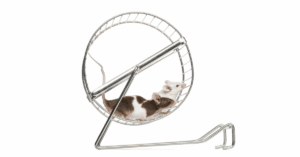
For the exercise treatment, they give mice access to running wheels. Some of the mice had a locked wheel as a control. For the pharmacological treatment, they gave the drug (DHF) in the drinking water several weeks before or after SCA6 onset in the mice. After treatment, to evaluate motor coordination, the researchers used a test called rotarod, where mice are put on a rotating rod that progressively accelerates, and then they measure the amount of time (latency to fall) the mice are able to stay on the rod. A higher latency to fall is a sign of better motor coordination.
To measure the health of the Purkinje cells in the cerebellum, they recorded their electrical activity with an electrode. In SCA6, the activity of Purkinje cells is diminished. Cook and colleagues were then able to see that both exercise and treatment with DHF rescued Purkinje cell activity in the SCA6 mice.
Past research examining post-mortem cerebellar tissue from deceased SCA6 patients showed reduced BDNF levels compared to age-matched individuals without SCA6. The findings from Cook and colleagues, using the transgenic mouse model of SCA6, are consistent with these earlier observations in SCA6 patients. An interesting finding is that BDNF seems to be reduced both at late and early stages of the disease progression. Cook and colleagues also showed that, by targeting the BDNF deficit in SCA6 using exercise or the compound DHF, motor coordination deficits and cellular dysfunction can be alleviated. By investigating feasible treatment options, this work from Cook and colleagues suggests a future where SCA6 symptoms can be managed, and the patients’ independence and quality of life can be improved, thus offering new hope for people living with SCA6.