


Skip to content

The Ataxia Community Comes Together in Orlando April 9–11, 2026 for the Annual Ataxia Conference! LEARN MORE

Bile acid treatment prevents movement and balance symptoms in SCA3 animals

Written by Jacen Emerson

Edited by Juan Mato

Repurposed steroid hormone prevents cell death and motor symptoms in animal models of SCA3

A New Treatment and Biomarker for SCA3?

Duarte-Silva and colleagues in Portugal recently investigated a drug called tauroursodeoxycholic acid (TUDCA) in an effort to establish new treatments for Spinocerebellar ataxia Type 3 (SCA3). Excitingly, TUDCA treatment preserved balance and coordination in animal models of SCA3 (C. elegans and mice). As a treatment for neurodegenerative disorders, TUDCA has not been extensively studied, so the authors worked to define how it prevents SCA3 symptoms in their animal models. These studies revealed that a molecule called the glucocorticoid receptor (GR) may allow TUDCA to alleviate symptoms in animal models of SCA3. Finally, patient samples were used to see if GR levels could be used to predict SCA3 onset and progression. Excitingly, this paper provides evidence that TUDCA may be helpful in treating and monitoring SCA3.

SCA3 is a neurodegenerative disorder that affects a patient’s balance and overall mobility. While investigators are working on uncovering novel treatments for SCA3, it will likely take time for these to reach the patient population. In the meantime, research into treatments (such as TUDCA) that are already approved by the FDA for other disorders could get patients some relief sooner. Just as important as a treatment itself is the discovery of reliable biomarkers for SCA3, which are also currently lacking. A biomarker is a measure taken using a patient’s blood sample or medical image that can provide a snapshot of their current disease trajectory. Biomarkers are important for clinical trials as they can quickly show the extent of symptom improvement following a treatment. Duarte-Silva and colleagues end their paper by proposing GR as a biomarker of SCA3.

What is TUDCA?

TUDCA is naturally produced in the liver and normally contributes to healthy digestion in humans. Treatment with external TUDCA has been approved to treat several gastrointestinal disorders and has shown effectiveness in models of neurodegenerative disorders like ALS and Huntington’s disease. The finding that TUDCA prevents SCA3 symptoms is exciting because previously approved drugs can reach the market to help patients much quicker than new compounds.

TUDCA Protects Movement in Animal Models of SCA3

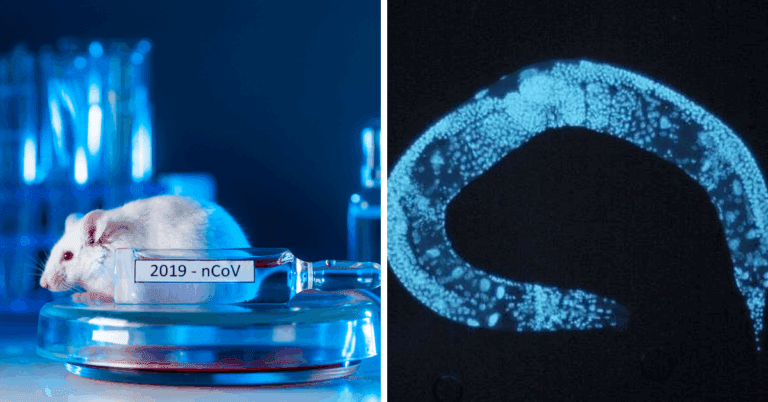
The authors first tested the ability of TUDCA to protect the natural movement of a worm model of SCA3 called C. elegans. Excitingly, TUDCA-treated SCA3 worms showed about 80% improvement in movement compared to untreated SCA3 worms. Following this finding, the authors moved to a mouse model of SCA3, which is more similar to a human. In SCA3 mice, regular TUDCA treatment starting before symptom onset preserved balance, gait, and grip strength in behavioral tests. These tests are the mouse version of a clinical ataxia scale such as the International Cooperative Ataxia Rating Scale (ICARS). Researchers leverage these tests to determine whether a treatment will improve overall mobility and coordination in individuals with SCA3. Finally, the authors looked inside the brains and spinal cords of TUDCA treated SCA3 mice and found significantly less cell death compared to untreated mice. Cell death in these areas is a hallmark of SCA3 disease in patients- a disease feature that is also seen in mouse models. The observation that TUDCA improved motor behaviors and prevented cell death in the brain and spinal cord is very encouraging, leading the authors to recommend a human trial of TUDCA treatment for SCA3 patients. Of note, this has not happened quite yet.

Why does TUDCA Prevent SCA3 Related Damage?

The authors conducted additional experiments to determine how TUDCA prevented SCA3-related cell damage and symptoms. Interestingly, they found that the receptor responsible for TUDCA’s therapeutic effects in the brain is distinct from the receptor TUDCA normally binds in the stomach to aid in digestion. Essentially, the receptor TUDCA binds determines the message a cell receives and how it responds. Thus, TUDCA sends a different message in the brain than it does in the stomach. The authors data showed that TUDCA acts on the glucocorticoid receptor (GR) to prevent neuronal cell death in the brain and spinal cord in mouse models of SCA3.

Having discovered TUDCA’s capacity to protect movement and balance in SCA3 mouse models through its binding to the GR, the authors wanted to understand how this binding produces its therapeutic effects. To do this they considered the GR and the SCA3 disease protein Ataxin-3 (ATXN3). In patients with SCA3, a mutation in the ATXN3 gene causes a change in the protein called a polyglutamine expansion that negatively affects its function in the cell. Through experiments in this paper, the authors found that normal ATXN3 and mutant ATXN3 both interact with the GR. Additionally, they found the GR was significantly depleted in SCA3-affected tissues (the brain and spinal cord). At the same time, remaining GRs had increased levels of molecular “garbage tags” called ubiquitin on them in SCA3 tissue. With these data the authors can describe a possible mechanism by which TUDCA helps SCA3 patients.

Normal ATXN3 acts to remove ubiquitin tags from other molecules in the cell. By removing these “garbage tags” the molecules are protected from degradation. The authors suggest that ATXN3 acts in this way on GR, removing “garbage tags” and allowing it to function normally. In SCA3 patients, mutant ATXN3 fails to remove these “garbage tags” from the GR, hence the increased levels of ubiquitin found on GR. Then, with more tags, GR is destroyed in SCA3-affected cells, resulting in lower levels of GR and dysfunction that leads to cell death and ultimately SCA3 symptoms.

GR as a potential Biomarker for SCA3

This finding allowed the authors to analyze blood samples from 11 pre-symptomatic and 30 symptomatic patients with SCA3. They found that levels of GR and another molecule related to TUDCA and GR in the nervous system (FKBP5) are abnormal in patients with SCA3. In fact, GR and FKBP5 levels predicted SCA3 age of onset in patients with SCA3. This finding is exciting, as the field currently lacks the proper biomarkers needed to track SCA3 symptom progression and determine the efficacy of new treatments like TUDCA in clinical trials.

Taken as a whole, the findings of Duarte-Silva and colleagues give insight into how TUDCA works in animal models of neurodegeneration and identify a possible biomarker of SCA3. Their paper provides plenty of data supporting TUDCA as an effective treatment in animal models of SCA3 and supports human clinical trials to ensure safety and efficacy in this specific patient population. Further, by investigating TUDCA’s mechanism of action they reveal promising biomarkers for SCA3 that could be useful in clinical trials of TUDCA and other SCA3 treatments. Realistically, more safety trials of TUDCA in animal models are required before TUDCA can be tested in humans, but these findings are a positive step toward a treatment for SCA3.

Key Words

Tauroursodeoxycholic Acid (TUDCA): A naturally synthesized bile acid steroid. A signaling molecule that normally aids in healthy digestion and has recently been used to treat neurodegenerative disorders.

Glucocorticoid Receptor (GR): A receptor protein that can modify cellular activities. Found to interact with ATXN3 and be activated by TUDCA in this paper.

Conflict of Interest Statement

The author and editor have no conflicts of interest to declare.

Citation of Article Reviewed

Duarte-Silva, S. et al. Glucocorticoid receptor-dependent therapeutic efficacy of tauroursodeoxycholic acid in preclinical models of spinocerebellar ataxia type 3. J Clin Invest, 2024. 134. (https://pubmed.ncbi.nlm.nih.gov/38227368/)

Read Other SCAsource Summary Articles

Translate »

Join the Ataxia community today!

Become a free member for exclusive content from NAF.