

Skip to content

The Ataxia Community Comes Together in Orlando April 9–11, 2026 for the Annual Ataxia Conference! LEARN MORE

English

Snapshot: What is Dysmetria?

Dysmetria is a medical term used to describe a condition that affects one’s ability to control and coordinate their movements accurately. In simpler terms, it is like having a glitch in the brain’s “motion control system”. When someone experiences dysmetria, their movements, such as reaching for an object or touching Read More…
Snapshot: What is Spasticity?

Spasticity is a condition where muscles involuntarily stiffen, impeding normal smooth movements. Spasticity can present in varying severities with varying impacts on daily life. For example, minor spasticity resulting in overly stiff muscles can make precise, dextrous tasks difficult, whereas painful, uncontrollable muscle spasms can cause confinement to bed rest. Read More…

Snapshot: What is Articulation?

Articulation refers to the ability to produce speech sounds using the tongue, lips, jaw, and the roof of your mouth. All of these organs are also known as articulators. The term “articulation” comes from the Latin word “articulatio,” which means “a joint” or “a connection.” In the context of speech Read More…

Snapshot: What is Resonance?

In speech-language pathology, the term resonance refers to nasality in speech. In other words, how nasal a person’s speech sounds. When someone is congested, they likely sound hyponasal, or not nasal enough. This is because the congestion is blocking sound from being resonated in the nasal cavity, or the nose. Read More…

Snapshot: What are Microglia?

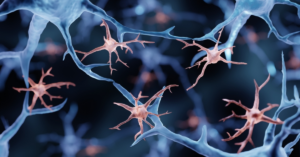
The Immune System of the Brain Though the brain is a powerful computational tool, it is also a sensitive and delicate organ. For this reason, it requires specialized protection. This includes the skull, the membranes covering the brain and spinal cord, and the blood-brain barrier (BBB), which is a specialized Read More…

Genetic variants in the NPTX1 gene cause cerebellar ataxia

Written by Dr. Hannah K Shorrock Edited by Dr. Celeste Suart Three genetic variants in the NPTX1 gene have been linked to cerebellar ataxia, providing a genetic diagnosis for seven families. Receiving a genetic diagnosis can be incredibly valuable: not only for patients who can access support groups and interact Read More…

Snapshot: What is the parallel rod floor test?

Disease-relevant research is often first conducted in animal models such as mice. This is done to investigate the underlying disease mechanisms and to test promising treatment strategies before moving into clinical studies. The parallel rod floor test is an assay to measure motor coordination difficulties in mice. In the case Read More…

Regional differences in BDNF levels provide new insights into SCA1 pathology

Written by Rana Abdelhalim Edited by Dr. Spyros Petrakis Early BDNF delivery improved cognitive and motor deficits while ameliorating cerebellar pathology in a SCA1 mouse model. Cognitive impairment, slurred speech, difficulty with balance and walking— these are all symptoms of spinocerebellar ataxia type 1 (SCA1). SCA1 is an inherited neurodegenerative Read More…

Snapshot: What is intelligibility?

Speech intelligibility refers to how many words can be correctly understood by a listener. For example, if someone says the phrase, “My name is John,” and a listener hears, “My name is Tom,” then the listener correctly understood 75% of the speech. In a formal speech evaluation, the percentage of Read More…

Snapshot: What is Chorea?

Chorea is a neurological disorder characterized by involuntary, unusual, and abrupt movements of the body that appear to be out of control and without purpose. The word “chorea” is originated from the Greek word “choreia,” which means “dance”, accurately depicting the jerky, dance-like movements shown by people suffering from this Read More…

Translate »

Join the Ataxia community today!

Become a free member for exclusive content from NAF.