

Skip to content

The Ataxia Community Comes Together in Orlando April 9–11, 2026 for the Annual Ataxia Conference! LEARN MORE

SCAsource Article Summary

Snapshot: ¿Qué es la Arreflexia?

Snapshot escrito por: Lin (Summer) Dong  Editado por: Sharan Srinivasan, MD Traducido por: Ismael Araujo Aliag La arreflexia, proveniente de la palabra griega “a”, que significa ausencia, es una condición médica caracterizada por la ausencia o reducción de los reflejos. Los reflejos son respuestas involuntarias provocadas por estímulos sensoriales que son esenciales para mantener el correcto funcionamiento del cuerpo. Cuando este complejo Read More…

24/7 Wearable Sensors: A New Way to Track Ataxia

Written by Poojashree Chettiar Edited by Pragya Goel, PhD AI and wearable tech may transform how ataxia is monitored Could everyday devices help track ataxia? Finding treatments for neurological disorders like spinocerebellar ataxias (SCAs) and multiple system atrophy (MSA-C) has been challenging. A major reason is the lack of good Read More…

Spinal Cord Damage Detected Prior to Disease Onset in Several SCAs

Written by Jacen Emerson Edited by Hannah Shorrock, PhD Human Imaging data reveals worsening spinal cord damage in several Ataxias that can begin before symptoms start. Why does the spinal cord matter in SCA? Rezende and colleagues recently published the most thorough study of spinal cord damage in Spinocerebellar Ataxias Read More…

Unraveling the Role of Mitochondria in SCA6 Progression

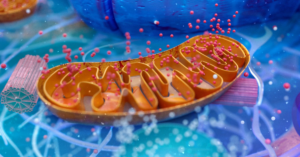
Written by Yujia Li Edited by Priscila Pereira Sena The discovery of first links between mitochondrial dysfunction and SCA6 progression offers new insights for potential treatments. What drives the progression of Spinocerebellar ataxia type 6 (SCA6)? While the exact mechanisms remain unclear, a study by Leung et al. suggests that Read More…

Beyond Capicua: Discovery of new proteins implicated in SCA1 pathology

Written by Katerina Pliatsika    Edited by Hannah K Shorrock, PhD Additional proteins which interact with ATXN1 contribute to toxicity in a SCA1 mouse model.  In neurodegenerative diseases, a problematic gene and its resulting protein play a crucial role in the selective loss of brain cells. However, a fundamental question remains unanswered: Read More…

Translate »

Join the Ataxia community today!

Become a free member for exclusive content from NAF.