
Written by Celeste Suart, PhD. Edited by the National Ataxia Foundation Research Team
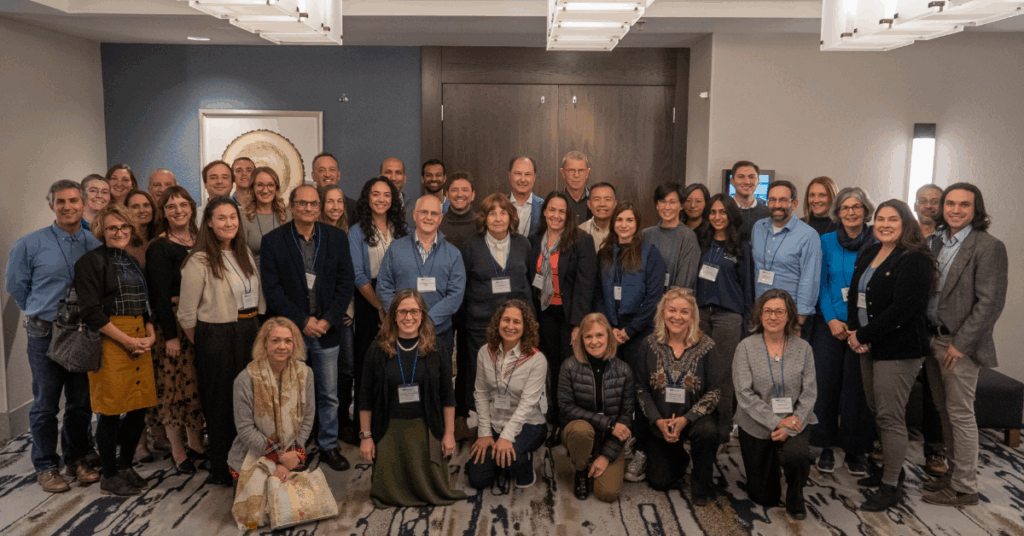
Our annual Katie Campbell CRC-SCA Face-to-Face Meeting was held this year from November 10-12, in Bloomington, Minnesota. This meeting focused on logistics and discussion of the ongoing Clinical Research Consortium for the Study of Cerebellar Ataxia (CRC-SCA) Natural History Study. The CRC-SCA is one of the largest and longest-running natural history studies of ataxia in the world. You can learn more about the experience of being a patient in the CRC-SCA study from this virtual information panel.
Session 1: CRC-SCA Introductions and Updates
The meeting started with introductions of attendees. The attendees at this meeting included:
- Researchers and study coordinators from CRC-SCA study locations across the USA and Canada
- Invited guest speakers who are experts on clinical research
- Representatives of pharmaceutical companies currently developing ataxia treatments, or companies interested in developing ataxia treatments in the future
- Staff from the National Ataxia Foundation
Next, there were discussions about collective gaps in knowledge about ataxia clinical trials. These gaps in our understanding of how ataxia symptoms progress and the patient perspective could make it more challenging to have treatments approved by the FDA or EMA. Attendees discussed how data from the CRC-SCA natural history study could help fill these gaps.
NAF Staff shared updates about the progress of the CRC-SCA natural history study. This included the number of patient visits and biological sample collections that happened in 2025. Biological samples include blood or cerebrospinal fluid donations. Overall, we are meeting the participation goals that were set at the 2024 CRC-SCA meeting.
CRC-SCA study coordinators then shared their experiences of recent FDA audits of these study sites. The auditing process was a bit stressful, but it was a good learning experience.
Session 2: Natural History Data in Action
This session focused on ways in which CRC-SCA study data are currently being used to better understand ataxia. This includes projects on a variety of topics – including patient-reported outcomes measures, the Cerebellar Cognitive Affective Syndrome (CCAS) scale, using virtual reality to measure vision symptoms, and creating patient-derived cell lines. There was also discussion about ways in which the CRC-SCA study data could be used in future studies.
Session 3: Learning from Others
Next, we heard from researchers and policy makers connected to other clinical trial studies. They spoke to us about their work, the strengths and weaknesses of different clinical trial strategies, and what lessons the CRC-SCA study could learn from them. This includes what kind of symptom measurements to use in the study, as well as how to format the data in a way that the FDA prefers.
Session 4: Where do we go from here?
This session was all about the future of the CRC-SCA study. In small groups, we discussed what is working, what is not working, and which measures should continue to be included in the study protocol. Study coordinators shared their feedback on the logistical, behind-the-scenes work to make the study run. Different researchers presented deep dives into specific research tools or measurements, so that the group could better understand their purpose in the study.
In short, the whole team was trying to align the actions of the CRC-SCA study with the future outcomes we hope to have on ataxia research.
Session 5: Guest Updates and Next Steps
The final session of the meeting started with updates from pharmaceutical companies interested in ataxia, like Biohaven and Biogen. Seven different companies gave updates on their progress. Some have ongoing clinical trials, some are planning to launch new trials soon, and some are still in the very early stages of research. Needless to say, as soon as these updates can be made public, we will be sharing them with the NAF community!
Next, there was an update on the MRI techniques added to the CRC-SCA study in 2024.The results are quite promising. Using MRI, researchers can measure changes in participants’ brains over a long period of time. They can detect the first brain changes happening many years before balance symptoms begin.
Then there was a talk on the clinician and patient perspectives of ataxia. The clinician-focused talk was about trends in prescribing medication. The patient-focused talk discussed what symptoms that patients with different types of ataxia experienced, and which symptoms had the biggest impact on their day-to-day lives.
The meeting closed with a discussion of next steps. Meeting attendees were excited about what the future holds for the CRC-SCA natural history study. Some logical details still need to be sorted out, but the team is ready to continue this important work in 2026.
Read Our Latest Blogs