
Living and Dying with Spinocerebellar Ataxia Type 7: A Carer’s Perspective
Affiliation: Husband and primary carer of patient with confirmed SCA7 (ATXN7 gene, 10/49 CAG repeats)
Background
Spinocerebellar Ataxia Type 7 (SCA7) is a rare, autosomal dominant neurodegenerative disorder characterized by progressive cerebellar ataxia and cone-rod retinal dystrophy. The following account is written from the perspective of a spouse and full-time carer, documenting the lived progression and end-of-life experience of one patient’s journey over eleven years. While clinical data on disease mechanisms are well established, there remains limited documentation of the human, metabolic, and palliative realities of SCA7 in its terminal phase.
Case Overview
Patient: Female, early 40s
Year of Diagnosis: 2013
Genotype: ATXN7 10/49 CAG repeats
Duration of Illness: ~11 years
Date of Death: December 2024 (Aged 42)
Symptoms were first noted around 2009, when the patient—previously described as endearingly clumsy—began experiencing subtle balance issues, mild dysarthria, and early visual disturbances. Vision loss progressed steadily, prompting referral to a neurologist in 2013. Genetic testing rapidly confirmed SCA7, following initial consideration of multiple sclerosis.
The diagnosis brought clarity but little direction. From the outset, the family sought expert advice globally, consulting multiple research institutions in hope of treatment trials or experimental options. Over time, they found themselves better informed than many clinicians encountered, highlighting a profound gap between genetic confirmation and practical management guidance for rare neurodegenerative disease.
Disease Progression
The earliest functional loss was vision, followed by increasing instability and motor incoordination. Within a few years, the patient required walking assistance, progressing to a wheelchair for approximately four years prior to her passing. Speech became labored and swallowing progressively impaired. Despite ongoing engagement with physiotherapy, speech therapy, and psychological support, functional decline was relentless.
Emotionally, the patient oscillated between resilience and profound depression. She was supported through consistent psychological care and antidepressant therapy. Significant milestones—such as loss of driving license, acceptance of wheelchair dependence, and inability to eat independently—were deeply distressing. Family outings required detailed planning around accessibility and feeding logistics, including seating to accommodate assisted feeding by the carer.
Despite this, quality of life was preserved through familiar routines: films, scents, music, and touch provided sensory continuity as vision deteriorated. The patient remained mentally intact throughout, acutely aware of her decline—a cruel hallmark of SCA7 that often leaves cognition untouched while physical function erodes.
The Final Phase
By early 2024, frequent choking episodes—sometimes triggered by saliva or air—became increasingly dangerous. Chronic insomnia further compounded exhaustion. Nutritional intake diminished, and weight loss accelerated.
A PEG feeding tube was inserted mid-2024 with the aim of stabilizing nutrition and hydration. However, the patient’s metabolic reserve was already critically depleted. Initiation of enteral feeding produced insulin spikes and metabolic instability, raising concerns for refeeding syndrome. Even minimal caloric reintroduction risked cardiovascular and glycemic complications.
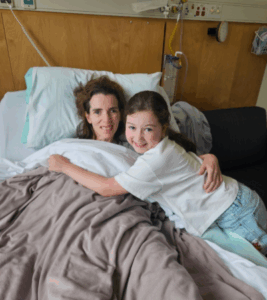
After extensive discussion, the carer requested an honest appraisal from the medical team: whether continued life-preserving interventions would meaningfully improve quality of life. The consensus, shared by treating clinicians and family, was to transition to palliative care focused on comfort and dignity.
The patient remained conscious and communicative for most of her hospitalization. In her final week, comfort-focused sedation allowed rest and relief from distress. She passed away peacefully six weeks after admission, with malnutrition secondary to dysphagia identified as the primary mechanism of death.
Reflections and Lessons Learned
From a carer’s perspective, the most confronting realization was that death in SCA7 is rarely due to neurological failure alone; rather, it is the body’s inability to sustain nutrition and hydration as swallowing ceases. PEG feeding can extend survival only if initiated before severe metabolic decline. Once systemic weakness sets in, nutritional reintroduction can accelerate deterioration rather than reverse it.
This experience revealed several unmet needs in the clinical management of SCA7:
1. Earlier and proactive discussion of dysphagia and nutritional intervention.
2. Recognition of metabolic fragility in advanced neurodegenerative conditions.
3. Accessible, patient-centered documentation of the late-stage course — most families are unprepared for what this phase entails.
4. Integration of palliative principles well before terminal stages, to balance life preservation with quality and dignity.
Personal Perspective
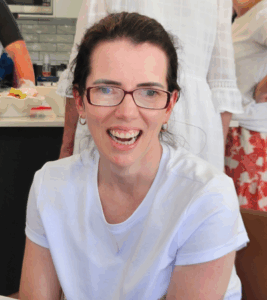
Lauren was defined by her tenacity and grace. Even as independence fell away, she smiled, joked, and tried to protect those around her from the weight of her decline. She never wanted to be a burden. We never told her she was dying — only that she was in high-dependency care while we explored options to bring her home. That truth was too heavy to bear.
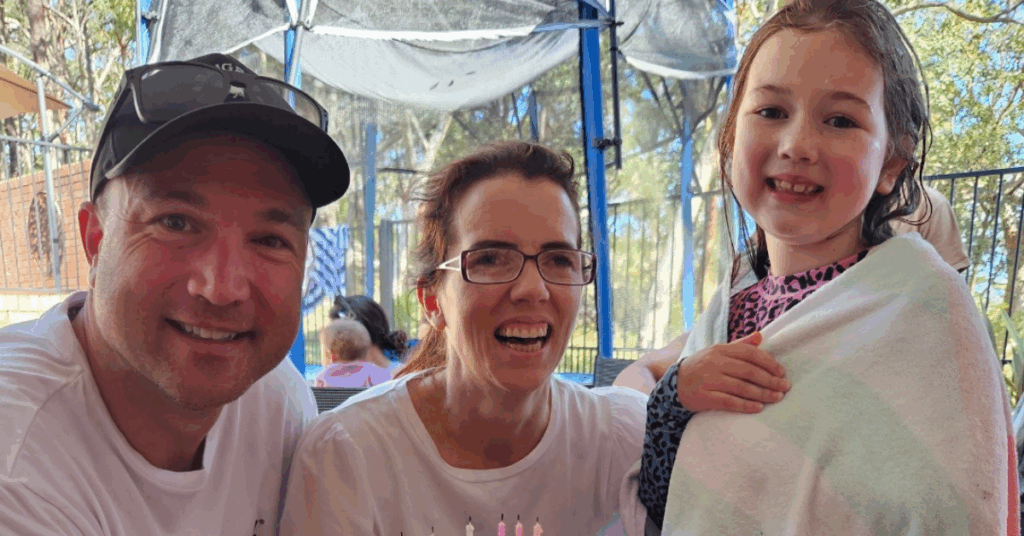
Caring for her taught me what endurance really means — balancing work, fatherhood, and 24-hour care while maintaining hope and normalcy for our daughter. It showed me that resilience isn’t about defiance; it’s about devotion.
SCA7 is rare, cruel, and under-researched. But within its cruelty, there are lessons about compassion, patience, and what it means to accompany someone you love through every loss, right to the end.
Caring for Lauren through Spinocerebellar Ataxia Type 7 taught me the true meaning of endurance and love under pressure. This experience revealed not only the gaps in clinical understanding of rare disease, but also the quiet strength that emerges when compassion becomes routine. I learned that resilience isn’t a heroic act—it’s a series of small, faithful choices made every day.
What I hope others take from Lauren’s story is clarity and courage. Clarity about what SCA7 truly looks like at its end, and courage to have the difficult conversations about dignity, timing, and comfort long before crisis arrives. Behind every rare condition is a family improvising care in real time. Sharing our experience is my way of giving shape to what too often goes undocumented—and ensuring that Lauren’s grace continues to help others find their footing in uncertainty.
Conclusion
This case contributes to the limited qualitative understanding of terminal SCA7. It highlights that swallowing failure and resultant metabolic collapse remain key determinants of mortality, underscoring the need for earlier nutritional planning and multidisciplinary palliative involvement. Beyond its medical implications, it represents a human story of endurance — a reminder that behind every genotype and clinical note lies a family navigating the spaces medicine has yet to fill.
I truly hope this can be used to help others.
Thank you for your time.

Sandy Wilson
I was diagnosed with SCA1 in 2010, five years ago I had to stop work due to it becoming too hazardous, I lost my ability Read More…


Rochelle
Hi, I’m Rochelle I am 60 years old mother of three adult children and grandmother to 3. All of my life even as a teenager Read More…

William Tartaglia
My story started about four years ago. It has been a long road. Finally on the 13th of August 25 I was diagnosed with Ataxia Read More…
Sarah FitzGerald
In June 2024, I had a massive hemorrhagic stroke caused by an AVM. I was 23 at the time and working out at the gym. Read More…

Luís Frija
I’m 50 years old from Portugal and work in the contact center industry from home. My journey with Cerebellar Ataxia really began in 2018 when I received my Read More…

Amir
My name is Amir Hossein Bagerzade. I am 26 years old, and for nearly nine years I have been living with a rare genetic disease. Read More…