Milian’s Journey with Ataxia – Searching for Answers, Hope, and Guidance
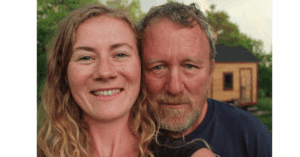
My wife, Milian, has always been the picture of health—an active yoga practitioner and a strong advocate of mindful living and healthy habits. Never in our lives did we expect that she would be diagnosed with idiopathic cerebellar degeneration (Ataxia) at 59 years old, a condition that has left us with more questions than answers. Her symptoms began subtly, more than 2 years ago, when she unexpectedly fell backward while gardening. At first, we brushed it off as an accident, but over time, her balance issues worsened. What followed was a long and frustrating journey through various medical consultations, beginning with ENT specialists who suspected vertigo or other balance-related conditions. When treatments proved ineffective, we sought the advice of multiple neurologists, including the leading experts at Singapore’s top neurological institute.
In March 2024, after months of uncertainty, MRI and testing, Milian was finally diagnosed with some form of Spinocellabar Ataxia. However, the devastating reality soon became clear—there is no cure, no proven treatment, and no available medication for her condition. Neurologists in Singapore primarily focus on more common neurodegenerative diseases like Parkinson’s and Dementia, leaving Ataxia largely understudied and misunderstood.
Desperate for solutions, we explored alternative therapies, including acupuncture, muscle stimulation therapy, Traditional Chinese Medicine (TCM). We even went to US to look for OTVest to help with walking. While some provided temporary relief, none offered long-term improvement. We even considered stem cell therapy, but after extensive research, we had to abandon the idea due to the lack of clinical evidence and the high risk of adverse effects.
Exploring Treatment Options – The Next Steps
Our next course of action is to undergo a genetic test, hoping to pinpoint the exact type of Ataxia Milian has. However, finding local doctors with the expertise to correctly diagnose and classify her condition remains a significant challenge. We also recently learned that there is one FDA-approved drug in the U.S. for Friedreich’s Ataxia, available for patients 16 years and older. However, we are unsure if it applies to Milian’s condition, as her form of Ataxia has yet to be fully classified. Another potential avenue we are exploring is Ceredist, a medication available only in Japan through prescription. If we can find a doctor in Singapore willing to monitor its usage, this could provide a potential option for symptom management.
A Call for Guidance and Support
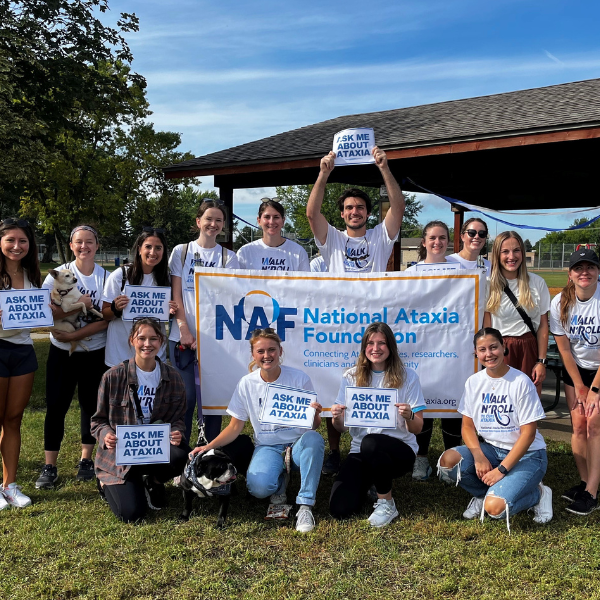
Living in a country with very limited knowledge and resources for Ataxia has made this journey incredibly isolating. We reached out to the National Ataxia Foundation (NAF) and its network of experts in the hope of gaining insights, recommendations, and support—whether in genetic testing, treatment options, or clinical trials that could offer even a glimmer of hope. We are especially grateful for the expertise and information shared by NAF’s expert Dr. Susan Perlman. Her insights have been invaluable, and we truly hope to meet her one day to learn more about Ataxia research and potential treatments. To those who have walked this path before us, we would be grateful for any advice, shared experiences, or resources that can help us navigate this overwhelming journey. Milian and I are determined to face this with strength, acceptance, and the right mindset, but we cannot do it alone.