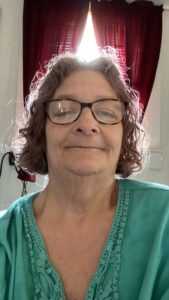
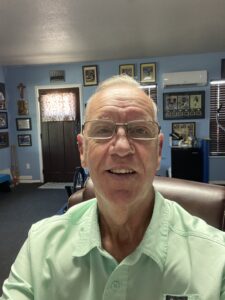
My wife, Debbie, inherited ataxia from her mother and became symptomatic nearly 35 years ago (when she was 32). Through genetic testing 4 years ago we found the specific type – SCA34. She retired from a career in Hospice Nursing relatively early due, in part, to her ataxia. She is a gifted artisan who makes heirloom quality quilts, although she does more by machine now as ataxia has stolen some dexterity from her hands.
In seeing the effects of ataxia on her and out of concern for the disease to potentially impact our children and grandchildren I decided to explore ways in which I could help the ataxia community. So, I decided to become a legislative advocate by supporting the efforts of NAF and RARE Advocates.
My first exposure to advocacy was attending Rare Disease Week on Capitol Hill earlier this year. It was an eye-opening experience and I became determined to learn more about the legislative issues facing the rare disease community in general, and the ataxia community specifically. A few weeks ago I participated in United Against Ataxia Hill Day, attending Zoom meetings with staff members of my congressional leaders.
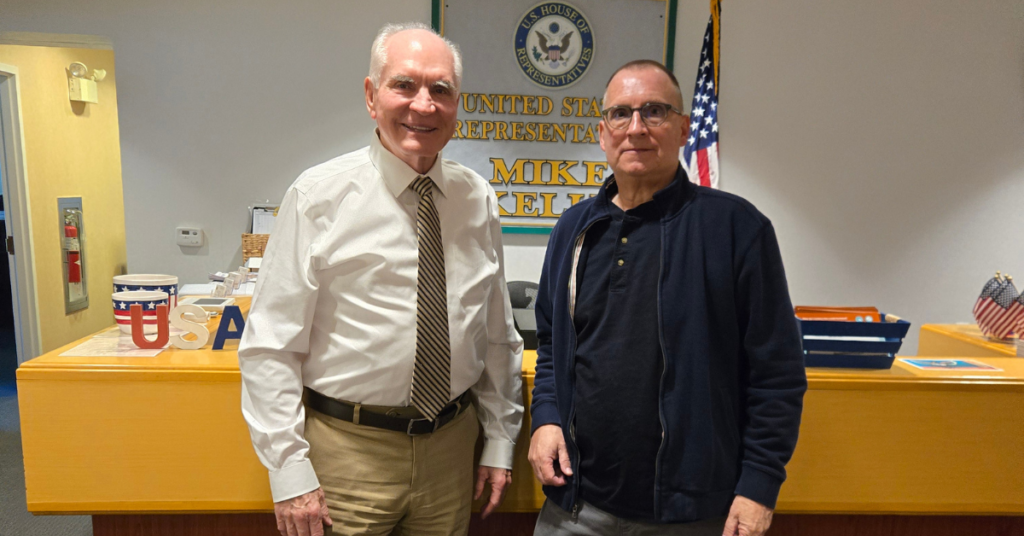
Those types of meetings are incredibly important as they show ‘strength in numbers’ from the ataxia (and rare disease) community. Apart from those meetings, I communicate relatively frequently with PA Congressman Mike Kelly and have garnered his support for specific legislative actions:
- Mike joined the Rare Disease Congressional Caucus.
- Mike signed the letter in support of $5M in funding for the Rare Disease Innovation Hub.
- Mike supports including “Hereditary Ataxia” in the Congressionally Directed Medical Research Programs (CDMRP).
My approach with his office is, admittedly, old school. I always try to visit his office, as opposed to zoom or phone meetings. In the past 8 months, I have met in person with his staff on 4 occasions and with him twice personally. After those meetings I always quickly follow up with any requested information via email and a separate handwritten note of thanks to each attendee. I don’t do social media, but his staffers (and the congressman) remember my handwriting, so to speak. I am confident the relationship with his office is conducive to his future support of issues related to the rare disease community.
I am attempting to take the same approach with the offices of my 2 U.S. Senators, meeting in person with local staff and through email. So far, I haven’t achieved the same level of success in gaining support for the specific ‘asks’, but I’ve only just started…