
Skip to content

The Ataxia Community Comes Together in Orlando April 9–11, 2026 for the Annual Ataxia Conference! LEARN MORE

Ataxia

Preparação para testes em SCA1 and SCA3 com exames de imagem

Escrito por Dr. Gülin ÖzEditado por Dr. Celeste SuartTraduzido por Ana Carolina Martins A ressonância magnética (RM) detecta alterações cerebrais antes dos sintomas de ataxia. A lista de empresas farmacêuticas que direcionaram a sua atenção para as ataxias tem aumentado ao longo da última década. Isto se deve ao promissor Read More…

Snapshot: What is Tremor?

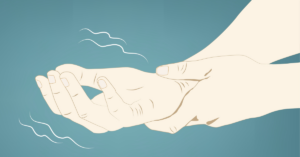
If you’ve ever felt shaky when speaking in public or after drinking too much coffee, then you’ve likely experienced tremor. Tremor is an involuntary, rhythmic shaking of parts of the body, such as the hands or the head. Everyone experiences a normal, physiological tremor at a certain level, which is Read More…

Snapshot: What is Dystonia?

Dystonia is a disorder that affects the way a person moves. Specifically, people with dystonia have involuntary muscle contractions, which can cause abnormal twisting postures. Dystonia can affect muscles anywhere in the body, including the face, neck, torso, and limbs. The impact of dystonia can vary greatly across individuals. Some Read More…

Snapshot: What Does Incomplete Penetrance Mean?

Incomplete penetrance is a characteristic of a wide range of genetic diseases, including hereditary forms of neurodegenerative disease, heart disease, and cancer. In short, it means that individuals carrying a disease-causing mutation may not necessarily develop disease symptoms. “Penetrance” refers to the proportion of individuals carrying the disease-causing mutation that Read More…

Walking toward a better understanding of SCA3 progression

Written by Alexandra Putka Edited by Dr. Hayley S. McLoughlin Walking measurements detect changes in SCA3 severity across a 1-year study and represent an important biomarker of disease progression Medical doctors use a number of tools to assess a patient’s health: a thermometer and blood pressure monitor, for example. These Read More…

Snapshot: What is Dysmetria?

Dysmetria is a medical term used to describe a condition that affects one’s ability to control and coordinate their movements accurately. In simpler terms, it is like having a glitch in the brain’s “motion control system”. When someone experiences dysmetria, their movements, such as reaching for an object or touching Read More…

¿Ser o no ser SCA27B? Esa es la cuestión: Misteriosos casos de ataxia resueltos gracias a los avances en tecnología genética

Escrito por Dr. Hayley McLoughlin y Dr. Sharan SrinivasanEditado por Dr. Celeste SuartTraducido por Ismael Araujo-Aliaga Una nueva tecnología de secuenciación genética reveló numerosos casos de ataxia familiar asociados a una mutación de un antiguo culpable de la ataxia hereditaria A pesar de los mejorados accesos al diagnóstico genético, la Read More…

Translate »

Join the Ataxia community today!

Become a free member for exclusive content from NAF.