
Skip to content

Join the Summer Match Challenge! All donations during the month of June will be matched by the Clementz-Peterson Family Fund and an anonymous donor, up to $100K. DONATE

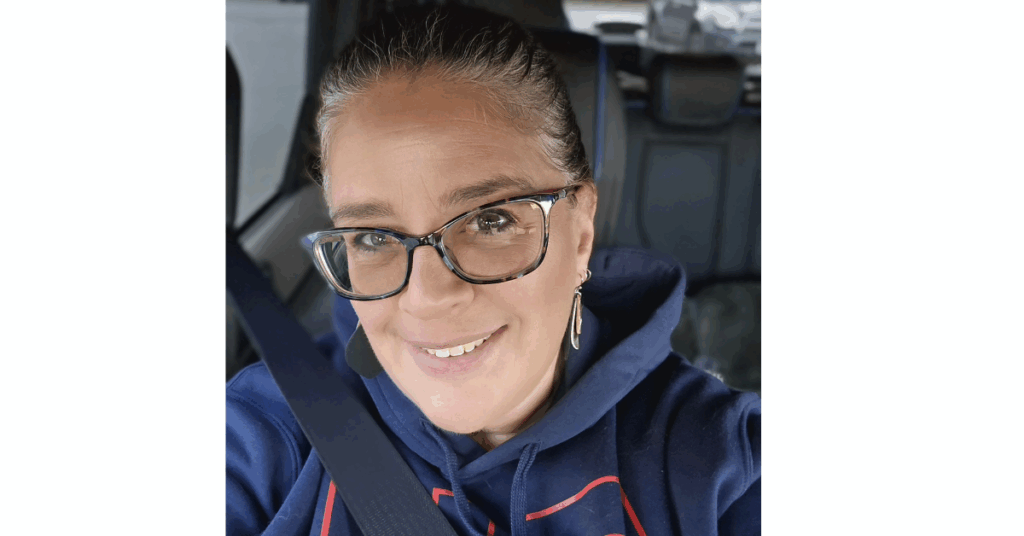
Shannon

Finding Balance: My Journey to a Rare Diagnosis

For years, I brushed off the dizziness, fatigue, and the way my feet sometimes seemed to have minds of their own. I’d trip over nothing, bump into door frames, and occasionally lose my balance mid-step. Friends would laugh and call me “graceful as ever,” and I’d laugh with them — but deep down, I knew something wasn’t right.

After a car accident a few years ago left me with a traumatic brain injury, the unsteadiness got worse. My speech would slur when I was tired, my vision blurred at times, and I began to notice that my coordination wasn’t just off — it was changing. I told myself it was from the accident. I told myself it was stress. But eventually, the signs became too loud to ignore.

This fall, after a long series of neurological exams, MRIs, and genetic testing, I finally got my answer: Spinocerebellar Ataxia, a rare degenerative disorder that affects balance and coordination. My neurologist narrowed it down to type 6 or type 27B — both forms that slowly affect the cerebellum, the part of the brain that controls movement. It’s a mouthful of a name for something that, in plain English, means my brain’s control center doesn’t communicate perfectly with my body anymore.

Some days are good, some are harder. Cold weather makes me stiff and dizzy, and I’ve learned that even a simple heating pad can make a world of difference — relaxing tight muscles, improving circulation, and calming my nervous system when it starts to spin. Getting this diagnosis has been a mix of relief and grief. Relief in finally knowing what’s happening. Grief in realizing it’s something that won’t just “go away.”

But knowledge is power. This condition doesn’t define me — it helps me understand myself. For anyone who’s been dismissed as “clumsy” or “just tired,” I want you to know that your body’s signals matter. Keep asking questions. Keep pushing for answers.

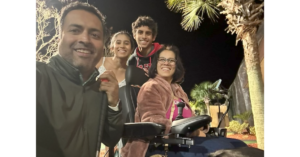
My husband — a 100% disabled Air Force veteran — has been my rock through all of this. We’ve learned that while the VA has incredible programs for veterans and their caregivers, spouses like me who need care fall into a gray area. So we’re figuring it out together, one day at a time, leaning on love, humor, and a whole lot of patience. Spinocerebellar Ataxia doesn’t take away my joy or my purpose. It just means I move through the world a little differently now — slower, more intentional, more grateful. If my story helps even one person feel less alone, then it’s worth sharing.

When Were You Diagnosed? Which Type (If Known)?

November 2025

How Has Ataxia Impacted Your Life?

It’s been a tough journey, but knowledge is power.

What is One Thing You’d Like the People to Know About Ataxia?

Things may need to be slower and more intentional.

Share Your Advice – How Can Others Support Someone with Ataxia?

Patience.

Disclaimer: The views and opinions expressed in this story are those of the individual member and do not necessarily reflect the views of the National Ataxia Foundation (NAF). Any medical information shared in this story is based on personal experience and has not been reviewed or endorsed by NAF or a medical professional. Always consult with your own physician or qualified healthcare provider before making any changes to your care or treatment plan. 

What is Your Ataxia Story?

As an organization dedicated to improving the lives of those affected by Ataxia, we believe that each story has the power to inspire, connect, and empower others. We invite you to share your personal Ataxia journey with us.

Are you here to read the personal stories, but haven’t yet joined as a member? We hope you find comfort in reading about the experiences of others on their Ataxia journey. We invite you to join as a member to receive a new member story each month. It’s free, and you’ll be kept up-to-date on the latest developments in the Ataxia community. 

Recent Member Stories

Shannon

Finding Balance: My Journey to a Rare Diagnosis For years, I brushed off the dizziness, fatigue, and the way my feet sometimes seemed to have Read More…

Jorge Alonso

My name is Jorge Alonso, I am 33 years old I was diagnosed with ataxia at 31 or 30, although I really felt the disease Read More…

Abdulrahman

Hello, I’m Abdulrahman – in the beginning I was shocked, but then I digested the news, my lifestyle and way of living really helped me Read More…

Ben Williamson

Living and Dying with Spinocerebellar Ataxia Type 7: A Carer’s Perspective Affiliation: Husband and primary carer of patient with confirmed SCA7 (ATXN7 gene, 10/49 CAG Read More…

Maitreyi Viswanathan

http://youtu.be/sYccDzT25eY?si=f6GkonkY4FvsyFHy The video above is from Maitreyi’s personal YouTube channel, in which she discusses her experiences living with Ataxia. Mature topics are discussed, viewer discretion is Read More…

Ana

When I turned 20, I started to notice something was different about me. I had a brain MRI, which showed that I probably had Ataxia. Read More…

Translate »

Join the Ataxia community today!

Become a free member for exclusive content from NAF.